How to Remove an Airlock from Your Water Pipes in Portsmouth Homes
You know the feeling – you turn on your tap and you get greeted by spluttering water—or worse, nothing but silence… In this case you might be dealing with an airlock in your plumbing. Airlocks happen when trapped air prevents water from flowing properly through your pipes. The good news? With a few household tools and a bit of care, you can often fix it yourself.
What Causes an Airlock?
In the many cases, an air lock will develop when cold water is drawn from a high-point in your water system such as the cold water header tank, it is pulled too fast which then means it can eventually run dry. When there is no water to pull in, air can then be sucked in, creating a barrier that water can’t easily push past.
This more common in:
- Hot water pipes
- Systems that have been recently drained for maintenance
- Houses with loft water tanks
Signs You Might Have an Airlock
- Water stops flowing entirely from one tap but works fine elsewhere
- Spluttering or uneven water flow
- Only hot or only cold water is affected
Tools You’ll Need
- A length of hosepipe (around 1–2 metres long)
- Jubilee clips or similar clamps (optional, but helpful)
- A towel (to catch drips)
Step-by-Step: How to Remove an Airlock
Important: These steps work for taps fed by the same water system. If you have a combi boiler or pressurised system, check your manufacturer’s guidelines before proceeding.
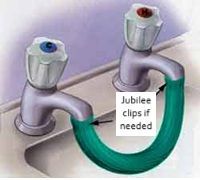
1. Connect a hose between two taps
Choose one tap that works (often a cold tap in the kitchen) and one tap that’s affected by the airlock. Push one end of the hosepipe onto each tap. Use jubilee clips to hold them in place if needed.
2. Turn on the working tap first
Open the good tap fully. This will send mains water pressure through the hose toward the airlocked pipe.
3. Slowly open the faulty tap
Let the water flow through for 20–30 seconds. This should push the trapped air through the system.
4. Turn both taps off
Switch off the faulty tap first, then the working tap.
5. Check your water flow
Remove the hosepipe and test the tap that had the airlock. If water is still spluttering, repeat the process.
Other Methods
If you don’t have a hosepipe handy, you can sometimes clear small airlocks by:
- Turning on all taps (hot and cold) at once for a few minutes
- Using a plunger on the affected tap (gentle pressure only)
- Bleeding radiators if you have a linked central heating and hot water system
When to Call a Plumber
If you’ve tried these methods and still have no luck—or you notice leaks, strange noises, or reduced pressure throughout the house—it’s best to bring in a professional. Airlocks are usually simple, but they can sometimes point to larger plumbing or pump issues. You can call PortsmouthPlumber on 023 9388 0341 to help with any plumbing problems.
Final Tip:
To help prevent airlocks, avoid draining your system unless necessary, and refill it slowly if you must. A little patience during refilling can save you a lot of spluttering taps later.
You might also like