How To Deal With a Burst Pipe In Your Home
You shouldn't play around with a burst or leaking pipe in your house. It's critical to act right away as water begins to flood in. If not, a major issue could easily become disastrous.
Expensive repairs and significant water damage may arise from burst pipes. Knowing how to handle such situations is essential in Ireland, where weather conditions can change quickly and occasional rain is not unheard of. This article will walk you through nine crucial actions to control and lessen the damage caused by burst pipes, highlighting the importance of acting quickly.
What Are The Main Causes of Burst Pipes?
There are a number of causes for pipe breaks, which frequently happen suddenly. Homeowners can take preventative action and respond to disasters more skillfully if they are aware of these reasons.
Freezing Temperatures
In Portsmouth as in most parts of the UK, burst pipes are frequently caused by freezing conditions. When water freezes, it expands, raising the pressure inside the pipes. The pipe explodes if the pressure is too high for it to handle.
One of the most important ways to stop these kinds of incidents is to insulate your pipes. By acting as a protective sleeve, pipe insulation lowers the chance of freezing by maintaining steady pipe temperatures.
The pipes are being strained by excessive water pressure.
Checking your home's water pressure on a regular basis is crucial since high water pressure can strain your plumbing system and cause bursts.
A number of things can lead to an increase in water pressure, such as:
Corrosion of pipes
The cold
Drains that are blocked
Inadequate taps
Build-up in pipes and leaks
By installing pressure-reducing valves, you may protect your pipes from undue stress and assist maintain a safe water pressure level.
Wear and Corrosion Over Time
Over time, corrosion and normal wear and tear cause pipes to deteriorate. Particularly vulnerable are older homes with antiquated plumbing materials like steel or iron. Your plumbing system's integrity can be preserved and unexpected bursts can be avoided with routine inspections and the replacement of aged piping parts.
What Should You Do Right Away If You Find a Burst Pipe?
When you find a burst pipe, taking prompt action will greatly lessen the damage to your house. The actions you should do are as follows:
1.
Turn Off the Water Supply in Your House
Switch off the main water supply right away. This prevents more harm by stopping water from passing through the burst pipe. Make sure everyone in the home knows where and how to use your main water valve by finding it in advance. Although every home is unique, your primary water valve is often located in one of the following locations:
Within an airing cupboard or hot press located on your home's ground floor
Within a garage or utility room
Below the stairs
On the bottom floor of your house, beneath a bathroom sink
Within a kitchen appliance, cabinet, or press
Within a boiler housing
Where your house's gas pipe enters
2. Cut Off Power in Impacted Areas
Turn off the electricity to any outlets or appliances that could come into touch with the water from the busted pipe. If you're not sure how to securely reach your electrical panel, call an electrician. If you don't know what you're doing, don't risk doing it yourself. Together, electricity and water can be fatal.
3. Recognize and Safeguard Salvageable Items
Transfer anything that hasn't been harmed by water to a dry location. To stop additional damage or mould growth, start cleaning and drying procedures right away for those that are damp.
4. Evaluate and Reduce Water Damage Quickly
Effective clean-up can be aided by promptly determining the level of water damage. Start using fans and dehumidifiers to dry up the impacted areas. In extreme circumstances, think about using expert water removal services.
5. Get Rid of Standing Water
It is imperative to remove any standing water from your property as soon as possible because it can cause a number of undesirable issues, including:
Mould-related structural deterioration
Drains that are blocked
Disease
Electrocution
Falls and slips
Make use of water-removal pumps or vacuums, and make sure all impacted surfaces are completely dry.
6. Get in touch with a qualified plumber
When it comes to burst pipes, speed is crucial, therefore it's always a good idea to do it yourself as soon as possible, even if it's just to shut off the main water supply.
However, for major damage or complex repairs, hiring a professional plumber is advised when it comes to actually repairing a burst pipe. If you don't know how to replace all of the piping, don't begin removing it.
Make sure the plumbers you contact are certified, have positive testimonials or recommendations, and don't hesitate to contact a few if you believe the price you were quoted is excessively high.
7. Make Emergency and Temporary Repairs
The plumbing cavalry may not show up for a day or two. Until expert repairs can be made, use interim solutions like pipe patches or clamps to control small leaks. In the short term, these remedies can help reduce harm.
Once more, none of this will make much sense to someone who is completely unfamiliar with plumbing, but you would be astounded at how much you can learn in only thirty minutes on YouTube.
8. Keep a record of the damage for your insurance claim.
Take pictures and document any damages and repairs. When interacting with your insurance provider, this paperwork will be essential. Before proceeding with the actual filing, keep the following points in mind:
A precise chronology of occurrences
Evidence (pictures or videos of the impacted areas)
A thorough explanation of what transpired and how
Make an Insurance Claim
To begin the claims procedure, get in touch with your insurance company. To guarantee that your claim is handled effectively, provide the required paperwork and follow up on a frequent basis.
How to Avoid Home Pipe Bursts in the Future
The likelihood of subsequent pipe breaches can be considerably decreased by taking preventative action.
1. Insulating Pipes to Prevent Freezing Weather
An efficient method of preventing freezing is to insulate exposed pipes, particularly in unheated parts of your house like garages or attics.
2. Continually Checking Water Pressure to Prevent Overstress
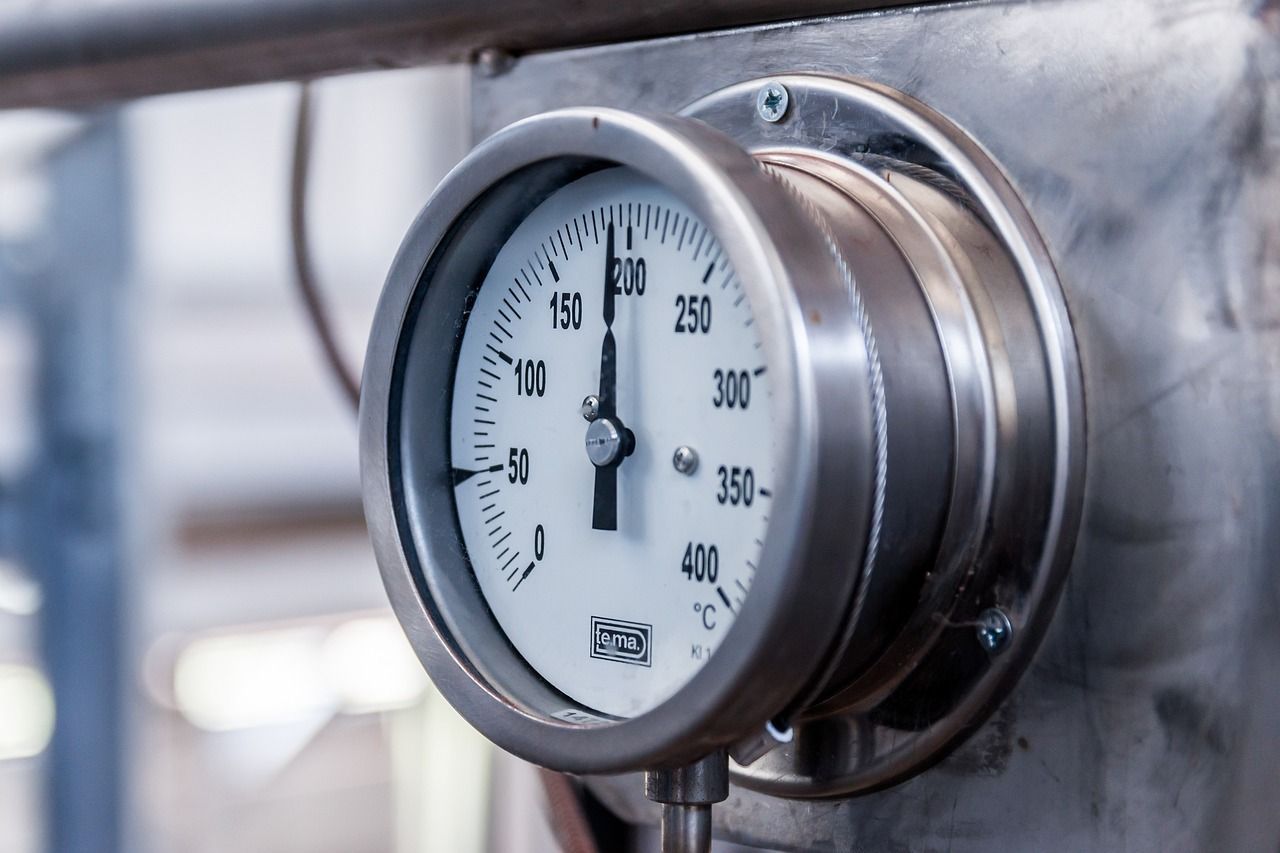
By installing a water pressure gauge, you can prevent strain on your pipes by keeping an eye on the pressure and making any adjustments.
3. Arranging for a Professional Plumber to Conduct Annual Inspections
A professional's yearly plumbing examination might spot possible problems before they do significant harm.
You might also like